
If you’re a writer, designer, musician, developer, or any type of content creator, protecting your work is critical. Copyright law gives you the legal right to control how your original work is used, shared, and sold. In Illinois, both federal and state copyright protections apply — and understanding how they work is the first step in protecting your creative assets.
What Is Copyright and What Does It Protect?
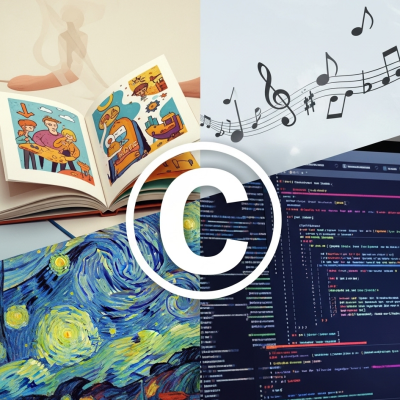
Copyright is a legal protection granted to creators of original works fixed in a tangible form. This includes written content, songs, artwork, photographs, computer software, films, and more. The moment your original work is created and recorded — whether written down, saved as a file, or filmed — you automatically own the copyright. However, registering your copyright with the U.S. Copyright Office gives you stronger legal rights and is required to enforce those rights in court.
How to Register a Copyright
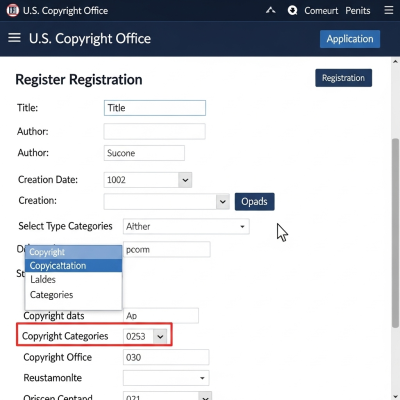
While copyright exists upon creation, registration adds a layer of legal security. To register, you must submit an application, a copy of your work, and a filing fee to the U.S. Copyright Office. Registration makes it easier to prove ownership, sue for infringement, and claim statutory damages — which can be significant in cases of unauthorized use. It’s a smart move for anyone who regularly produces creative or commercial content.
What Is Copyright Infringement?
Copyright infringement occurs when someone uses, copies, sells, or distributes your work without your permission. This includes reposting your content online, using your photos in advertisements, or sharing your music without a license. Even unintentional use can still be a violation, and Illinois courts take copyright claims seriously. If your work has been used without permission, you may be entitled to compensation — especially if your copyright is registered.
What About Fair Use?
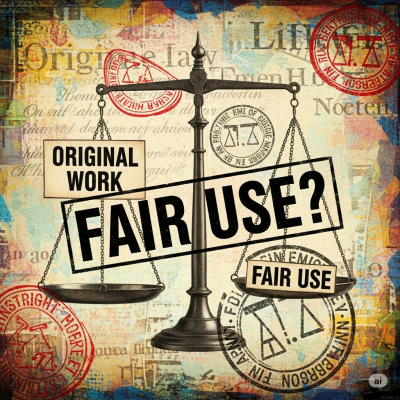
Fair use is a legal exception that allows limited use of copyrighted material without permission in certain cases, such as criticism, commentary, education, news reporting, or parody. Courts consider several factors when evaluating fair use, including the purpose of use, the amount used, and the effect on the original work’s market value. Because fair use is a gray area, consulting an attorney before using someone else’s work is always recommended.
When to Speak With a Copyright Attorney
Whether you’re registering your copyright, dealing with infringement, or issuing a takedown notice under the DMCA, a copyright attorney can help. Legal guidance ensures your rights are fully protected, especially in high-value or high-visibility cases. An attorney can also help you license your work, draft usage agreements, or defend against infringement claims.
In a world where creative content can be copied and shared in seconds, understanding and protecting your copyright is more important than ever. By registering your work and knowing your rights, you can safeguard your creative efforts and build your brand with confidence. If you’re unsure where to start or believe someone has violated your rights, contact an experienced intellectual property attorney in Illinois to help you protect what’s yours.