
Staying compliant isn’t optional — it’s critical. Whether you own a startup, LLC, or a growing corporation, Illinois law sets clear requirements to ensure businesses operate responsibly and legally. Failing to meet these obligations can lead to penalties, lawsuits, or even business dissolution. Below are six key corporate compliance essentials every Illinois business should know.
File Your Annual Reports on Time
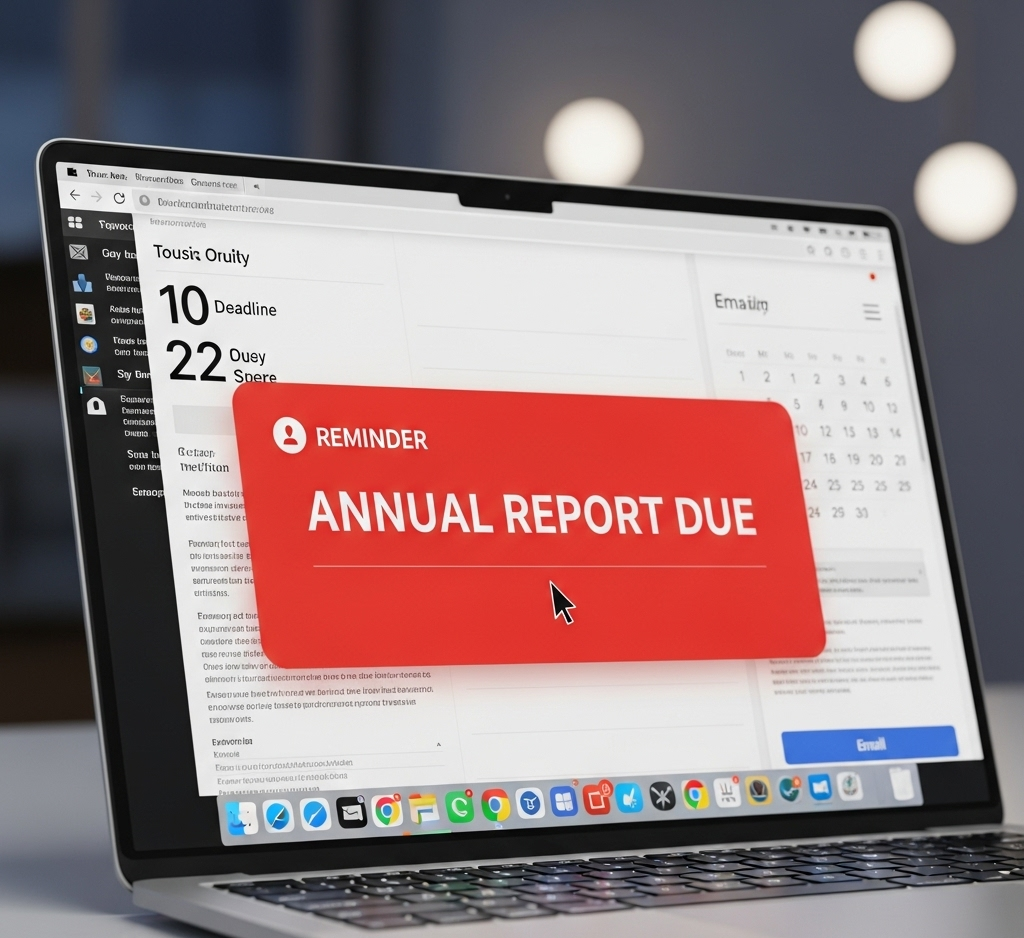
In Illinois, most businesses must file an Annual Report with the Secretary of State. This report confirms key information like your company’s name, address, and registered agent. Missing the deadline may result in late fees or loss of good standing. Filing online is easy — but forgetting can be costly.
Maintain a Registered Agent
Every corporation and LLC in Illinois must designate a registered agent — someone who can receive legal documents on behalf of the business. This can be an individual or a registered service. Keeping this information current is critical, as failing to respond to legal notices could harm your legal rights.
Keep Corporate Records in Order
Good corporate hygiene includes maintaining organized records: bylaws, operating agreements, meeting minutes, shareholder resolutions, and tax documents. These records prove your company is acting legally and can help protect you from personal liability in case of lawsuits or audits.
Stay on Top of Licenses and Permits
Depending on your industry and location, you may need business licenses, health permits, zoning clearances, or professional certifications. These are often issued by cities, counties, or state agencies. Regularly reviewing your requirements ensures you don’t fall out of compliance as laws or your operations change.
Follow Employment and Tax Laws
Illinois employers must comply with both state and federal labor regulations — covering payroll taxes, employee classification, anti-discrimination policies, and workplace safety. Misclassifying workers or missing tax filings can trigger audits or penalties. It’s wise to review your obligations with a legal or financial advisor.
Consult an Attorney for Legal Changes
Whenever your company undergoes a major change — such as a merger, new partners, or changing your entity type — it’s time to call a corporate attorney. An attorney can help with required filings, contract updates, and legal reviews to keep your business protected as it grows or evolves.





Corporate compliance isn’t just about checking boxes — it’s about building a solid foundation for your business. By staying ahead of deadlines, maintaining proper records, and working with legal professionals, Illinois businesses can avoid setbacks and stay focused on what matters: growth, stability, and long-term success.