








Getting a Divorce in Illinois: What You Need to Know


Divorce is never easy — emotionally or legally. But in Illinois, the process is more straightforward than you might think, especially if you understand your rights and responsibilities. Whether you’re preparing to file or responding to a spouse’s petition, this guide covers the key facts about how divorce works in Illinois.

Grounds for Divorce

Illinois is a no-fault divorce state, which means you don’t need to prove your spouse did anything wrong. The only ground for divorce is “irreconcilable differences,” meaning the relationship has broken down beyond repair. If you and your spouse have been living apart for at least six months, the court will typically accept that as evidence of irreconcilable differences.

Filing for Divorce

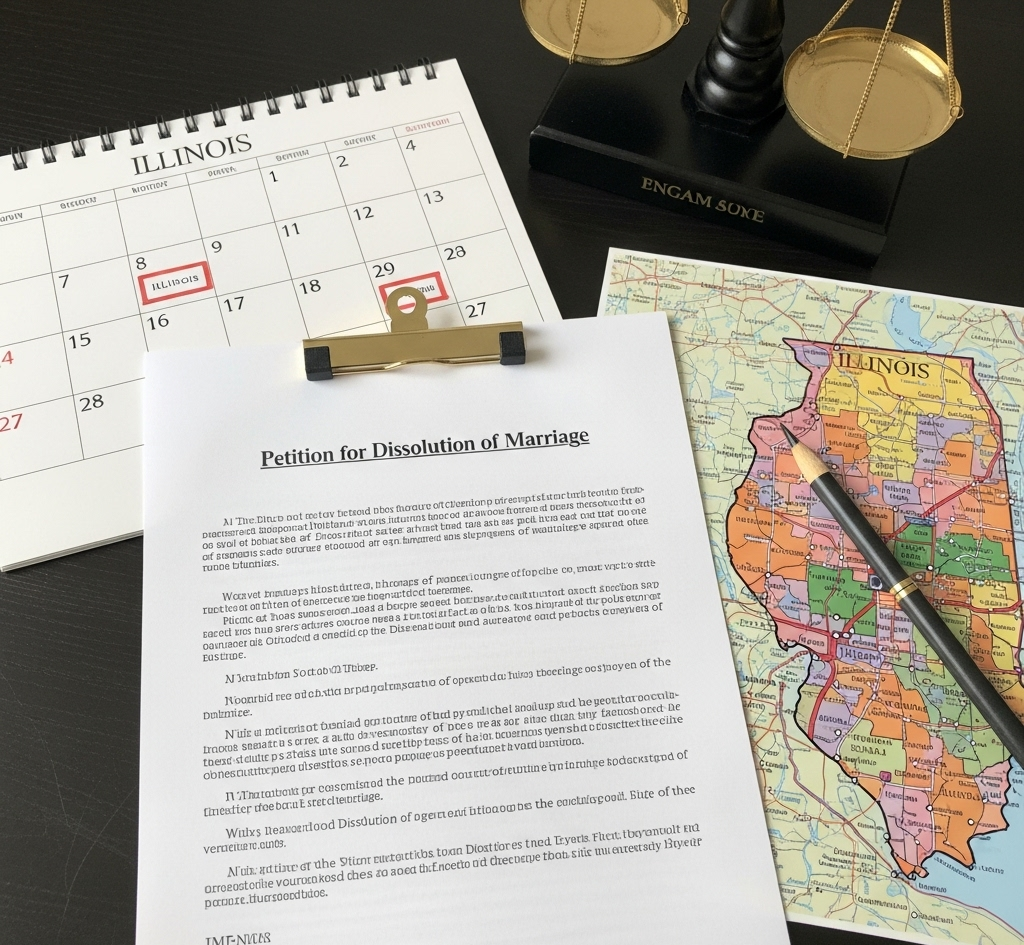
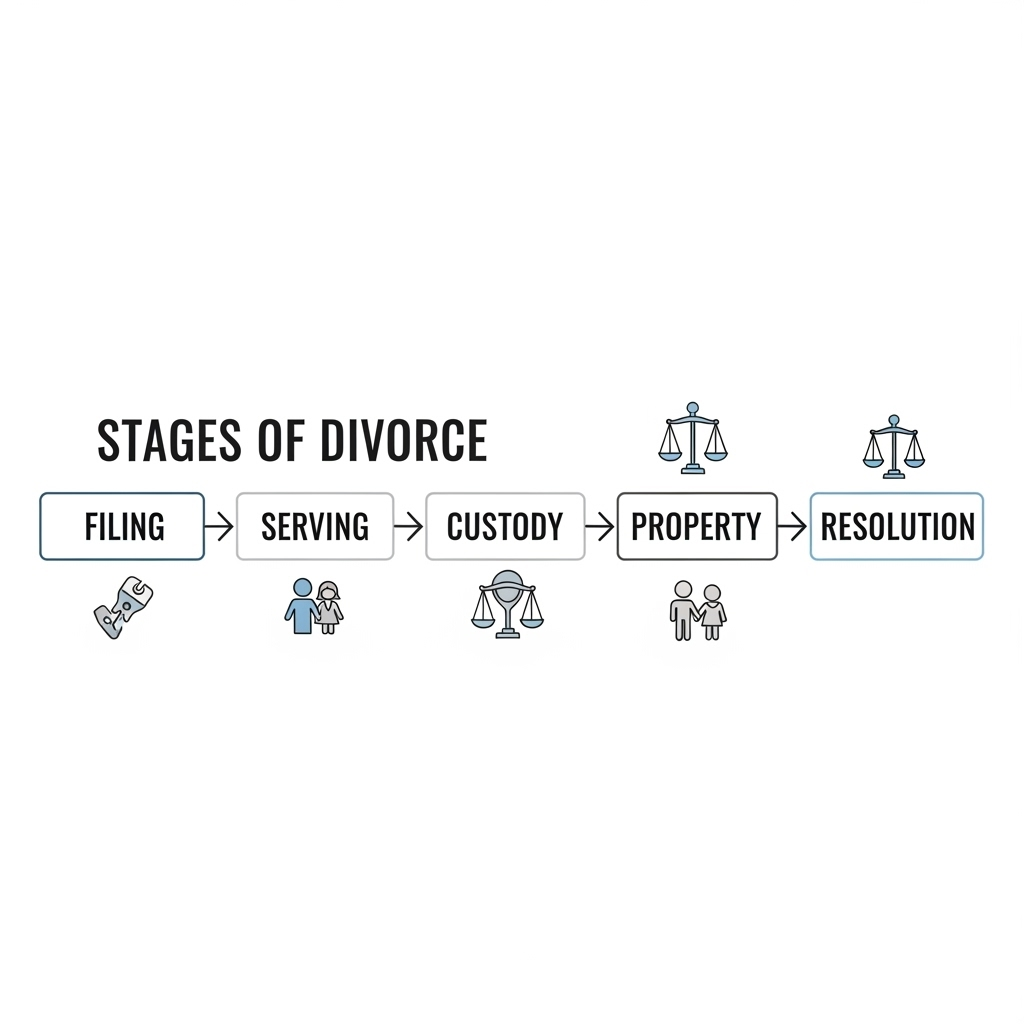
To file for divorce in Illinois, at least one spouse must have lived in the state for a minimum of 90 days. The process begins by filing a Petition for Dissolution of Marriage in the circuit court of your county. This document states your intent to end the marriage and outlines what you’re requesting, such as custody arrangements, division of property, or spousal support.

Serving Your Spouse

Once the petition is filed, it must be officially delivered to your spouse — a step known as “service of process.” This gives your spouse the opportunity to respond to the petition. If your spouse agrees with the terms, the case may proceed as an uncontested divorce. If not, the divorce becomes contested, and the court will get involved in settling disputes.

Dividing Property

Illinois follows the principle of equitable distribution, meaning marital property is divided fairly, though not always equally. Marital assets include anything acquired during the marriage, such as income, savings, property, and even debt. The court considers several factors when dividing property, including the length of the marriage, each spouse’s financial contributions, earning potential, and any prenuptial agreements in place.

Child Custody and Support

If children are involved, divorcing parents are required to submit a Parenting Plan. This plan outlines how decision-making responsibilities (formerly known as legal custody) and parenting time (physical custody) will be shared. Illinois law encourages both parents to remain involved unless doing so would harm the child’s well-being. Child support is calculated using an income-sharing model, which considers both parents’ incomes and the amount of parenting time each has.

Spousal Maintenance (Alimony)

In some cases, one spouse may be required to provide financial support to the other after the divorce. Known as spousal maintenance, this is not automatic. The court looks at factors such as the length of the marriage, the standard of living during the marriage, and each spouse’s financial independence before deciding on the amount and duration of support.

Working with a Lawyer

While it’s legally possible to get a divorce without a lawyer, it’s not always advisable — especially if the divorce is contested or involves children, shared property, or complex finances. A qualified family law attorney can help you understand your rights, represent your interests, and avoid costly legal mistakes. They can also assist in drafting fair agreements and navigating court procedures.

Divorce is a life-changing event, but with the right information and preparation, it doesn’t have to be overwhelming. In Illinois, the process is designed to be fair and focused on resolution. Whether you’re just starting the process or trying to make sense of your next steps, knowing the law gives you clarity — and confidence — to move forward.

Categories: