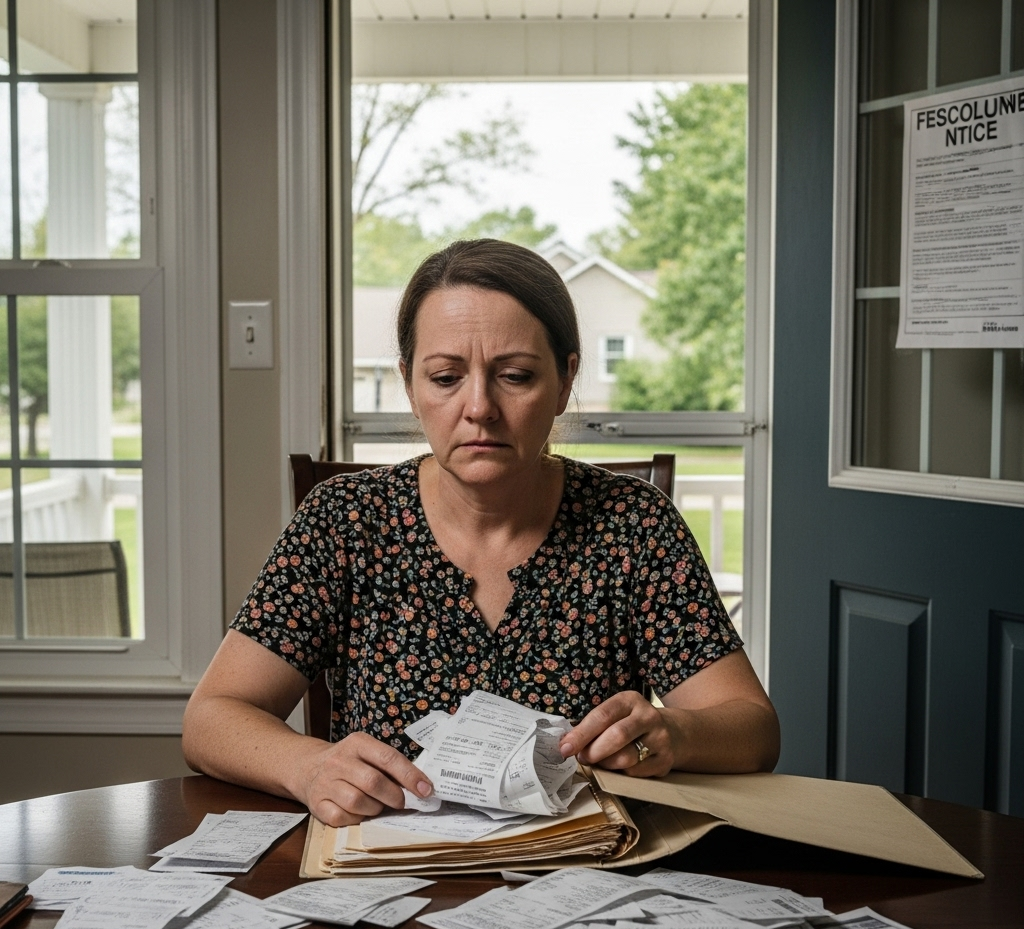
If you’re struggling to keep up with mortgage payments, you’re not alone. Thousands of Illinois homeowners face foreclosure every year — but foreclosure doesn’t happen overnight, and you may have options. Whether you want to save your home or reduce damage to your credit, understanding how foreclosure works in Illinois is the first step.
What Is Foreclosure?
Foreclosure is the legal process that allows a lender (usually a bank) to take back your home when you stop making mortgage payments. In Illinois, all foreclosures go through the court system — this is called a judicial foreclosure.
The Foreclosure Process in Illinois
The process typically begins after you’ve missed 3 or more mortgage payments. Here’s what usually happens:
- Notice of Default: Your lender sends formal notice that your loan is in default.
- Filing the Lawsuit: The lender files a foreclosure lawsuit in your county’s court.
- Summons and Complaint: You receive court papers and have 30 days to respond.
- Court Decision: If you don’t respond or lose, the court issues a judgment of foreclosure.
- Redemption Period: You have 90 days to catch up on payments or sell the home.
- Auction and Sale: If no action is taken, your home is sold at public auction.
Your Rights During Foreclosure

Illinois law provides key protections. You have the right to:
- Get written notice of all court actions
- Request loan modifications or mediation
- Stay in your home until legal transfer of ownership
Can You Stop a Foreclosure?
Yes — and many homeowners do. Common strategies include:
Loan Modification: Lowering monthly payments through new terms
Refinancing: Getting a better loan (if you qualify)
Short Sale: Selling your home for less than owed, with lender permission
Deed in Lieu: Voluntarily giving up the home
Bankruptcy: Chapter 13 can delay foreclosure while you reorganize
When to Speak to a Foreclosure Attorney
If you’ve been served a foreclosure notice, act fast. A real estate attorney can:
Review your lender’s paperwork
Help file a legal defense
Guide you through mediation or modification
Negotiate a short sale or deed in lieu
Delay or stop a sheriff’s sale

Foreclosure is stressful, but you’re not powerless. Illinois law gives you time, rights, and tools — but you must act quickly. Whether your goal is to save your home or exit without lasting damage, speaking with a foreclosure attorney or housing counselor puts you in the best position to move forward with clarity and control.