
Whether you run a manufacturing plant, a construction company, or a small business handling chemicals, environmental compliance is not optional — it’s the law. In Illinois, both federal and state regulations apply to how businesses interact with the environment, and failing to follow them can lead to steep fines, legal action, and lasting damage to your reputation. Understanding your compliance responsibilities can help protect your business and the environment.
What Is Environmental Compliance?
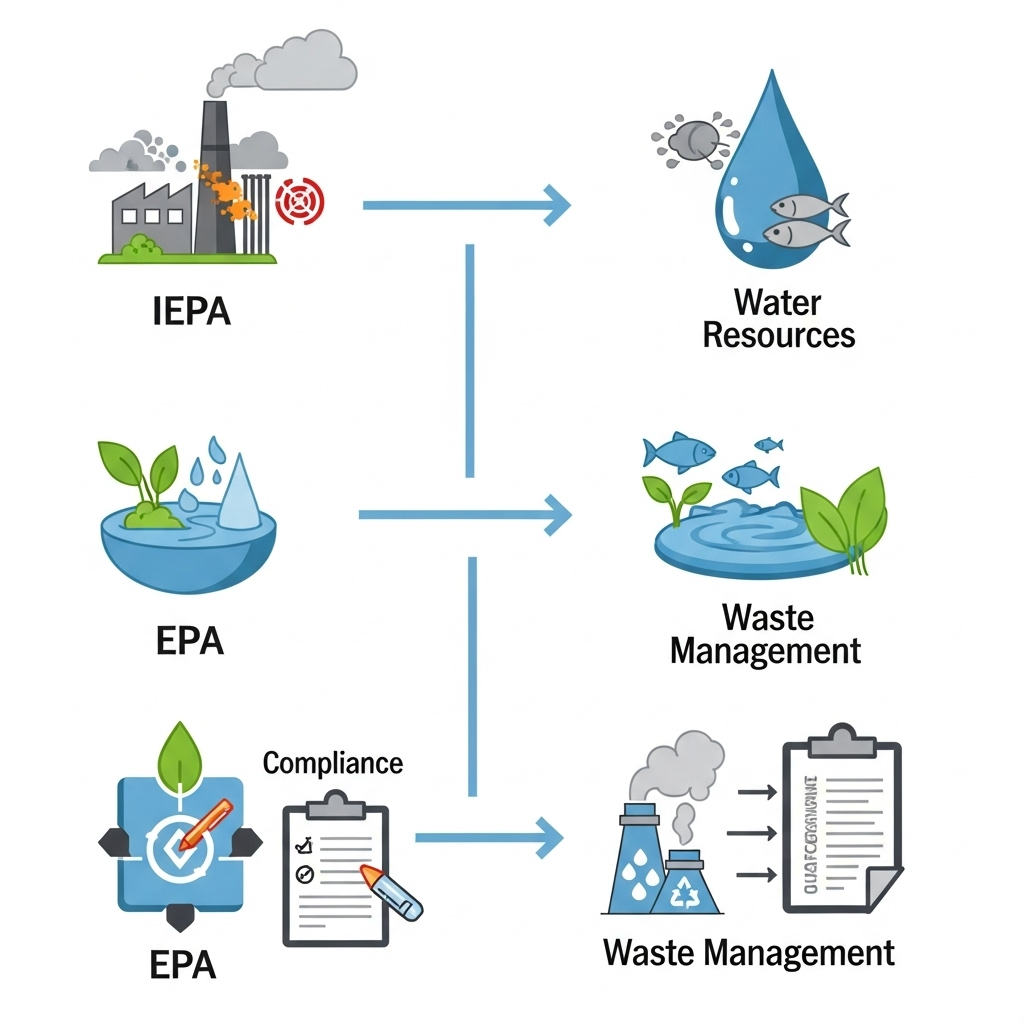
Environmental compliance refers to following all applicable environmental laws, regulations, permits, and standards at the local, state, and federal levels. In Illinois, businesses must comply with laws enforced by agencies such as the Illinois Environmental Protection Agency (IEPA) and the U.S. Environmental Protection Agency (EPA). Compliance may involve air quality management, waste disposal, water pollution control, chemical handling, and emissions reporting, among other areas.
Common Environmental Regulations in Illinois
Illinois businesses are often subject to several key regulations, including:
The Illinois Environmental Protection Act, which governs pollution control and permits
Clean Air Act and Clean Water Act, which regulate emissions and discharges
Resource Conservation and Recovery Act (RCRA), dealing with hazardous waste
Stormwater Management Rules, especially for construction and industrial sites
Depending on your industry, you may also need to follow zoning laws, land use permits, and state-specific environmental impact rules.
Why Compliance Matters
Environmental compliance isn’t just about avoiding penalties — it’s about responsible business practice. Non-compliance can lead to hefty fines, stop-work orders, and even criminal charges in serious cases. Beyond legal consequences, violations can damage your company’s public image, investor confidence, and customer trust. Proactively following environmental laws also helps minimize risks to employee safety, local communities, and natural resources.
What Businesses Can Do to Stay Compliant
The first step is to conduct a compliance audit to identify which regulations apply to your business. From there, companies should develop written policies, train employees, and keep accurate records of waste disposal, emissions, and inspections. Regular environmental monitoring, permit renewals, and third-party assessments can also help you stay ahead of issues before they become legal problems. Having a dedicated compliance officer or working with an environmental attorney can greatly reduce risk.


When to Consult an Environmental Attorney
If your business handles hazardous materials, operates under strict environmental permits, or has received a notice of violation, it’s wise to consult a legal professional. An environmental attorney can help you understand your obligations, respond to enforcement actions, negotiate with regulatory agencies, and ensure that your compliance strategies are legally sound. Legal support is especially critical if you’re facing fines, cleanup orders, or lawsuits from regulatory bodies or third parties.
Environmental compliance is a serious responsibility for any Illinois business that affects air, land, or water. Understanding the rules — and staying ahead of them — can protect your company from fines, delays, and legal headaches. If you’re unsure where your business stands, now is the time to act. Consult a qualified environmental attorney or compliance professional to ensure you’re meeting the law and doing your part for the community and environment.